
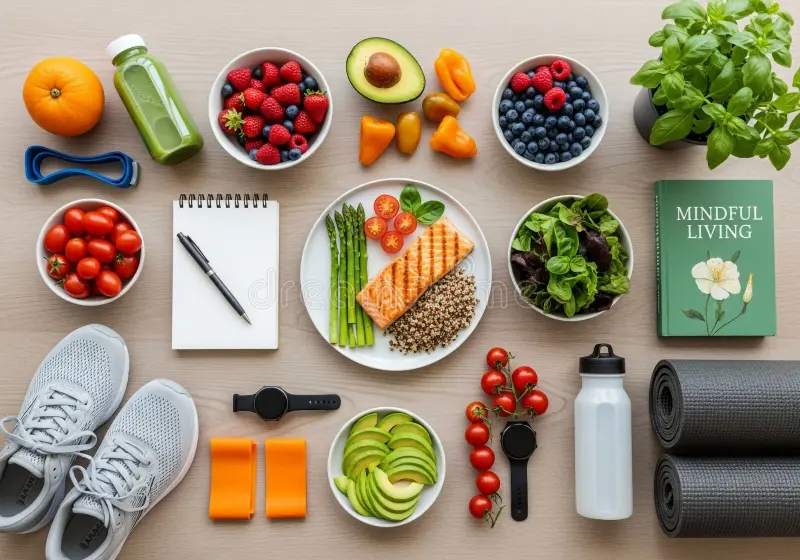
Lifestyle is the way we live our daily lives, including our habits, routines, choices, and attitudes. It influences our physical health, mental well-being, relationships, productivity, and overall happiness. A healthy lifestyle is not about making drastic changes overnight but about adopting small, positive habits that lead to long-term success and personal fulfillment.
In today’s fast-paced world, maintaining a balanced lifestyle has become more important than ever. By focusing on healthy eating, regular exercise, quality sleep, stress management, and meaningful relationships, anyone can improve their quality of life and enjoy greater happiness.
What Is Lifestyle?
Lifestyle refers to the patterns of behavior and daily activities that shape the way people live. It includes everything from eating habits and physical activity to work-life balance, social interactions, hobbies, and personal values.
Everyone has a unique lifestyle based on their environment, culture, career, and personal goals. While some habits may support good health and happiness, others may contribute to stress and illness. Understanding your lifestyle is the first step toward making positive changes.
Why a Healthy Lifestyle Matters
Living a healthy lifestyle offers numerous benefits beyond physical fitness. It improves energy levels, boosts confidence, enhances mental clarity, strengthens the immune system, and reduces the risk of chronic diseases.
Healthy habits also contribute to emotional well-being. Regular exercise, nutritious meals, and proper rest help reduce stress, anxiety, and depression while improving mood and overall life satisfaction.
A balanced lifestyle enables people to perform better at work, enjoy stronger relationships, and maintain greater resilience during life’s challenges.
Essential Elements of a Healthy Lifestyle
1. Balanced Nutrition
Good nutrition forms the foundation of a healthy lifestyle. Eating a variety of fruits, vegetables, whole grains, lean proteins, and healthy fats provides the nutrients needed for optimal body function.
Limiting processed foods, sugary drinks, and excessive salt can help prevent many health problems. Drinking enough water throughout the day also supports digestion, energy production, and healthy skin.
2. Regular Physical Activity
Exercise keeps the body strong and the mind active. Regular physical activity improves heart health, strengthens muscles and bones, enhances flexibility, and helps maintain a healthy weight.
Activities such as walking, jogging, cycling, swimming, dancing, and yoga can all contribute to better physical fitness. Even 30 minutes of moderate exercise most days of the week can make a significant difference.
3. Quality Sleep
Sleep is essential for physical recovery and mental performance. During sleep, the body repairs tissues, restores energy, and supports memory and learning.
Most adults should aim for seven to nine hours of quality sleep each night. Maintaining a consistent sleep schedule and reducing screen time before bedtime can improve sleep quality.
4. Mental and Emotional Wellness
Mental health is just as important as physical health. Managing stress through meditation, deep breathing, journaling, or spending time in nature helps maintain emotional balance.
Practicing gratitude, setting realistic goals, and maintaining positive relationships also contribute to improved mental well-being.
5. Strong Relationships
Healthy relationships provide emotional support and increase happiness. Spending quality time with family and friends strengthens social connections and creates a sense of belonging.
Open communication, kindness, and mutual respect help build meaningful and lasting relationships.

Developing Positive Daily Habits
Small habits practiced consistently can lead to remarkable improvements over time. Consider incorporating these habits into your daily routine:
- Wake up early and plan your day.
- Eat nutritious meals at regular times.
- Drink enough water.
- Exercise regularly.
- Read books or learn new skills.
- Limit unnecessary screen time.
- Spend time outdoors.
- Practice gratitude every day.
- Keep your living space organized.
- Make time for relaxation and hobbies.
Consistency is more important than perfection. Simple daily improvements often produce lasting results.
Lifestyle and Technology
Technology has transformed modern lifestyles in many positive ways. Fitness trackers, health apps, online learning platforms, and productivity tools help people stay organized and achieve personal goals.
However, excessive screen time and constant digital distractions can negatively affect sleep, focus, and mental health. Maintaining a healthy balance between technology use and real-life activities is essential.
Using technology mindfully allows people to enjoy its benefits while minimizing potential drawbacks.
The Importance of Work-Life Balance
Balancing work, family, and personal time is one of the most important aspects of a healthy lifestyle. Overworking can lead to burnout, stress, and reduced productivity.
Creating boundaries between work and personal life allows individuals to recharge, spend time with loved ones, and pursue hobbies and interests. Taking regular breaks and scheduling leisure activities helps maintain overall well-being.
Lifestyle Choices That Improve Well-Being
Making thoughtful choices every day contributes to a healthier and more fulfilling life. Some positive lifestyle choices include:
- Avoid smoking and excessive alcohol consumption.
- Eat home-cooked meals whenever possible.
- Stay physically active.
- Practice mindfulness and relaxation techniques.
- Build meaningful friendships.
- Continue learning and developing new skills.
- Spend time in nature.
- Maintain a positive mindset.
These choices support both physical health and emotional resilience.
Creating a Lifestyle You Can Maintain
The best lifestyle is one that fits your personality, goals, and daily responsibilities. Rather than following extreme diets or unrealistic fitness plans, focus on creating sustainable habits that you enjoy.
Start with one small change at a time, celebrate your progress, and remain patient throughout the journey. Long-term success comes from consistency rather than quick results.
Everyone’s lifestyle journey is unique, and even small improvements can have a lasting impact on overall happiness and health.
Conclusion
A healthy lifestyle is one of the greatest investments you can make in yourself. It supports better physical health, emotional well-being, stronger relationships, and increased productivity. By eating nutritious foods, staying active, getting enough sleep, managing stress, and maintaining positive daily habits, you can build a balanced and fulfilling life.
Remember that lasting change happens gradually. Focus on making small, meaningful improvements each day, and over time, those habits will become part of a healthier, happier lifestyle. Every positive choice you make today contributes to a brighter and healthier future.