
Education is one of the most valuable gifts a person can receive. It is the foundation of personal growth, social development, and economic success. From learning basic reading and writing skills to gaining professional knowledge, education helps people improve their lives and contribute positively to society. It not only provides information but also teaches critical thinking, creativity, discipline, and problem-solving skills that are essential in today’s fast-changing world.
Every individual, regardless of age, background, or financial status, deserves access to quality education. It opens doors to countless opportunities and empowers people to achieve their dreams. Whether someone wants to become a doctor, teacher, engineer, entrepreneur, artist, or scientist, education serves as the first step toward that goal.
Why Education Matters
Education plays a vital role in shaping individuals and communities. It helps people understand the world around them, make informed decisions, and develop confidence in their abilities. An educated person is more likely to secure stable employment, maintain better health, and actively participate in civic life.
Beyond academics, education teaches valuable life skills such as communication, teamwork, leadership, and time management. These skills are useful in both personal and professional settings. Schools and colleges also encourage students to interact with people from different backgrounds, helping them develop respect, empathy, and cultural awareness.
Personal Growth Through Learning
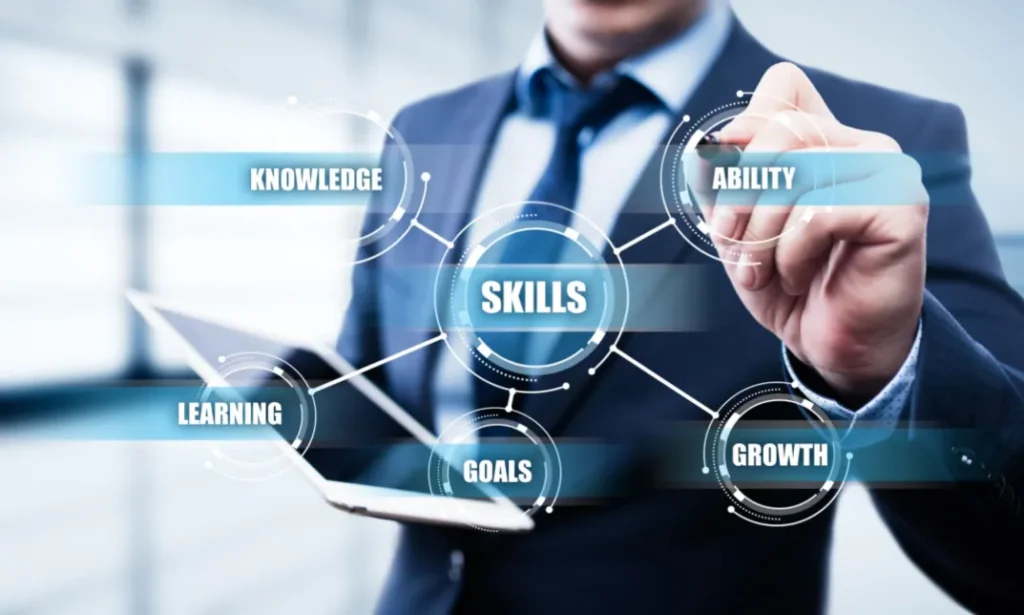
Learning is a lifelong journey. Education is not limited to classrooms or textbooks; it continues through experiences, online courses, workshops, books, and everyday life. Continuous learning allows people to adapt to changing technologies and workplace demands.
Education helps individuals discover their strengths, interests, and talents. It encourages curiosity and inspires innovation. People who continue learning throughout their lives are often more confident, adaptable, and prepared to face challenges.
Developing a habit of reading, researching, and asking questions leads to personal growth. It also improves decision-making skills and enhances emotional intelligence, enabling individuals to build stronger relationships and achieve greater success.
The Role of Schools and Teachers
Schools provide a structured environment where students acquire knowledge, build friendships, and develop discipline. Teachers play an essential role in guiding students, encouraging curiosity, and motivating them to reach their full potential.
A great teacher does more than explain lessons. They inspire confidence, nurture creativity, and support students during difficult times. Positive teacher-student relationships often have a lasting impact on a student’s academic performance and personal development.
Modern schools are increasingly adopting interactive teaching methods that include group discussions, practical activities, digital tools, and project-based learning. These approaches make education more engaging and help students understand concepts more effectively.
Technology and Modern Education
Technology has transformed education in remarkable ways. Today, students can access online classes, educational videos, digital libraries, and interactive learning platforms from almost anywhere in the world. This has made learning more flexible and accessible than ever before.
Online learning allows students to study at their own pace and revisit lessons whenever needed. Educational apps, virtual classrooms, and artificial intelligence are helping personalize learning experiences for students with different needs and abilities.
However, technology should complement traditional teaching rather than replace it entirely. Human interaction, classroom discussions, and hands-on experiences remain essential for developing communication skills, teamwork, and emotional intelligence.
Benefits of Quality Education
Quality education offers numerous advantages that extend beyond academic achievement. Some of the key benefits include:
- Better career opportunities and higher earning potential.
- Improved problem-solving and critical thinking skills.
- Greater confidence and self-esteem.
- Increased awareness of social and environmental issues.
- Better health and improved quality of life.
- Stronger communication and leadership abilities.
- Enhanced creativity and innovation.
- Greater financial literacy and decision-making skills.
When people receive quality education, they are more likely to contribute positively to their families, workplaces, and communities.
Challenges Facing Education Today
Despite significant progress, many education systems still face serious challenges. Limited access to quality schools, financial constraints, outdated teaching methods, and unequal educational opportunities continue to affect millions of students worldwide.
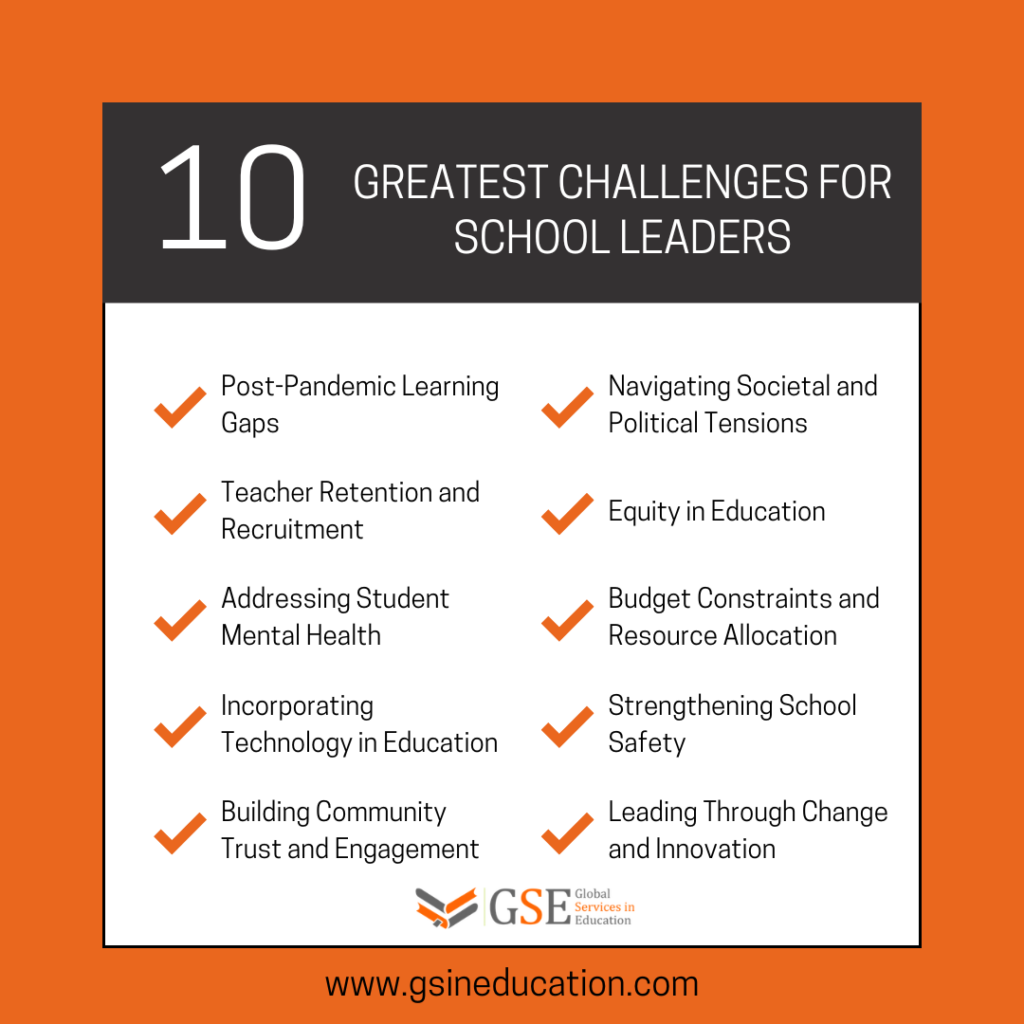
In many rural and underserved areas, students struggle with inadequate facilities, limited internet access, and shortages of qualified teachers. Some children are forced to leave school due to poverty or family responsibilities.
The rapid pace of technological change also requires schools to update their curricula regularly. Students need practical skills that prepare them for modern careers, including digital literacy, critical thinking, creativity, and adaptability.
Governments, educators, parents, and communities must work together to address these challenges and ensure every child receives a quality education.
Education and Career Success
Education is closely linked to career development. Employers value candidates who possess both technical knowledge and soft skills such as communication, teamwork, and adaptability. Higher levels of education often lead to better employment opportunities, increased job security, and greater earning potential.
However, success is not determined solely by academic degrees. Practical experience, continuous learning, certifications, internships, and skill development also play important roles in building a successful career.
Students should focus on developing a combination of academic knowledge and practical skills that align with their career goals. Lifelong learning has become increasingly important as industries continue to evolve.
The Importance of Parents in Education
Parents play a crucial role in supporting their children’s educational journey. Encouraging reading, helping with homework, attending school meetings, and maintaining open communication with teachers can significantly improve a child’s academic performance.
A positive home environment that values education motivates children to develop good study habits and remain committed to learning. Parents who show interest in their children’s education often inspire greater confidence and responsibility.
Even simple activities such as reading together, discussing current events, or encouraging curiosity can make a meaningful difference in a child’s intellectual development.
Lifelong Learning for Everyone
Education does not end after graduation. In today’s rapidly changing world, lifelong learning has become essential. Professionals regularly update their skills through online courses, workshops, certifications, and self-study to remain competitive in the job market.
Learning new languages, mastering digital tools, improving communication skills, or exploring creative hobbies can enrich both personal and professional life. Every new skill increases confidence and opens new opportunities.
Continuous education also helps individuals adapt to technological advancements, changing industries, and evolving workplace expectations.
Conclusion
Education is the foundation of progress, opportunity, and personal fulfillment. It empowers individuals to think critically, solve problems, and contribute meaningfully to society. From early childhood education to lifelong learning, every stage of education plays an important role in shaping successful individuals and stronger communities.
Investing in education benefits not only individuals but also families, businesses, and entire nations. As technology continues to reshape the world, the importance of quality education and continuous learning will only grow. By promoting equal access to education, encouraging curiosity, and supporting lifelong learning, we can build a brighter, more inclusive, and more prosperous future for everyone.